
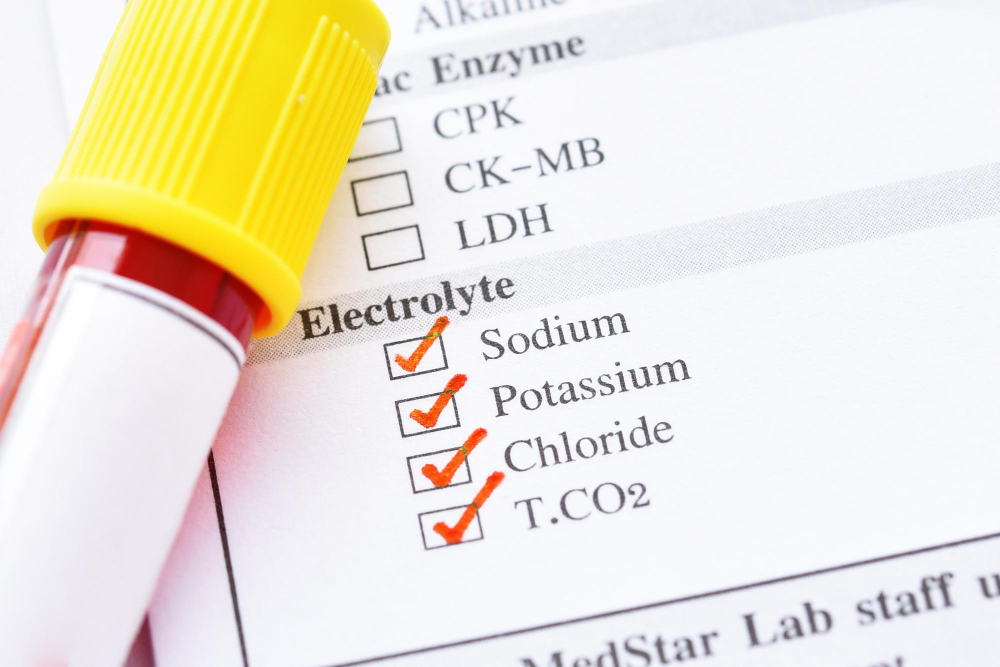
What Is a Sodium & Potassium Test?
A sodium and potassium test is a simple blood test. It checks the levels of these two important minerals in your body. Doctors use this test to see if your electrolyte balance is healthy. Electrolytes are minerals that help your body work well. For example, they help with nerve signals and muscle movement. The test is often part of a basic health check. Sometimes, it is ordered if you have symptoms of an electrolyte imbalance.
Why Are Sodium and Potassium Important for Your Body?
Both sodium and potassium are key electrolytes. They help your body keep the right balance of fluids. In addition, they support your heart, nerves, and muscles. For instance, sodium helps control blood pressure. Potassium helps your heart beat in a steady way. Without the right balance, your body cannot work as it should.
Common Symptoms of Electrolyte Imbalance
Sometimes, your body gives signs when your sodium or potassium levels are off. These are called electrolyte imbalance symptoms. Because these signs can be mild or serious, it is important to pay attention. For example, you may feel tired or weak. In some cases, you could have muscle cramps or confusion.
Causes of Abnormal Sodium and Potassium Levels
Many things can cause your sodium or potassium levels to change. For instance, some health problems affect how your body uses these minerals. In addition, certain medicines can change your levels. Even losing fluids from vomiting or diarrhea can cause an imbalance.
How Is the Sodium & Potassium Test Performed?
Getting a sodium and potassium test is quick and easy. First, a healthcare worker takes a small blood sample from your arm. Next, the sample goes to a lab. There, experts check your sodium and potassium levels. Usually, you do not need to do anything special before the test. However, your doctor may ask you to stop certain medicines for a short time.
Understanding Your Test Results
After the test, your doctor will explain what the results mean. Normal sodium levels are usually between 135 and 145 mmol/L. Normal potassium levels are between 3.5 and 5.0 mmol/L. If your levels are too high or too low, your doctor will look for the cause. Sometimes, a small change is not a problem. But if the change is big, you may need treatment.
Treatment Options for Electrolyte Imbalance
Treatment depends on what is causing the problem. Sometimes, you may just need to drink more fluids. In other cases, you might need to change your diet. If a medicine is causing the issue, your doctor may adjust your dose. For serious cases, you may need treatment in a hospital. There, doctors can give you fluids or medicines through a vein.
Tips for Maintaining Healthy Electrolyte Levels
There are simple steps you can take to keep your sodium and potassium levels healthy. For example, eating a balanced diet helps a lot. Also, drinking enough water every day is important. If you exercise or sweat a lot, you may need extra fluids. Always talk to your doctor before making big changes to your diet.
Prevention Strategies for Electrolyte Imbalance
Preventing electrolyte imbalance is possible with a few healthy habits. First, try to eat regular meals with a mix of foods. Next, avoid drinking too much alcohol or caffeine, as these can affect your balance. If you have a health condition, follow your doctor’s advice closely. Finally, get regular check-ups, especially if you take medicines that affect your electrolytes.