
What Is a Lipid Profile Test?
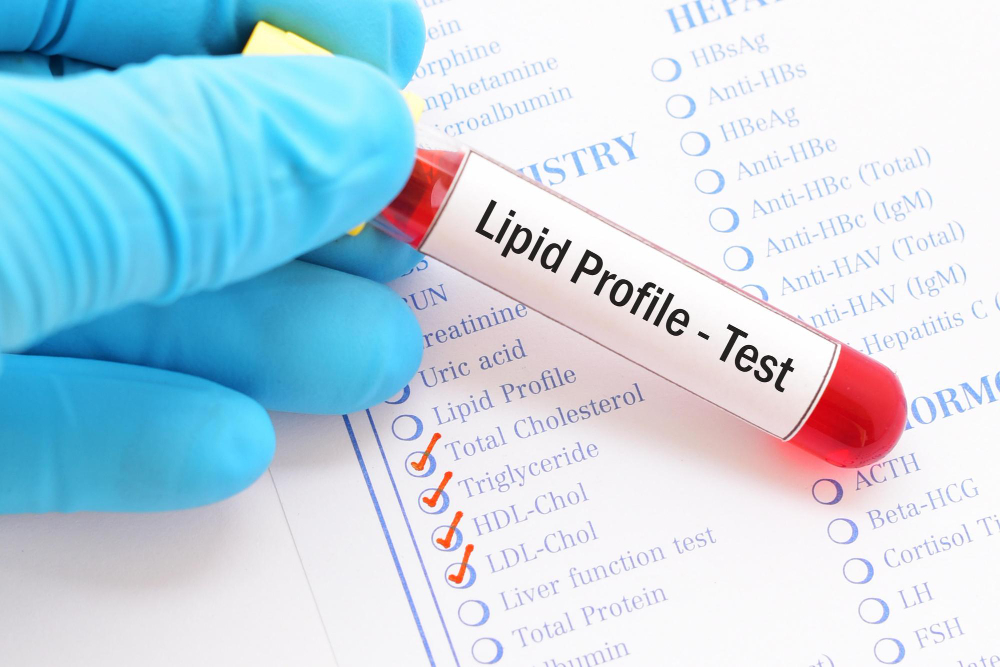
A lipid profile test is a simple blood test. It measures the levels of fats in your blood. These fats include cholesterol and triglycerides. Doctors use this test to check your risk for heart disease. Often, people call it a cholesterol test. However, it gives more details than just cholesterol. The test helps you and your doctor understand your blood lipid levels. Because heart health is important, knowing your numbers can help you stay healthy.
Why Is a Lipid Profile Test Important?
Many people have high cholesterol and do not know it. For this reason, a lipid profile test is important. High blood lipid levels can lead to heart disease or stroke. Early detection allows you to make changes before problems start. In addition, the test helps your doctor decide if you need medicine or lifestyle changes. According to the CDC, keeping your cholesterol in check lowers your risk of heart problems.
When Should You Get a Lipid Profile Test?
Doctors recommend regular lipid profile tests for adults. However, the timing depends on your age and risk factors. You should get tested if you:
Sometimes, children may need testing if they have risk factors. Always ask your doctor when you should get a cholesterol test.
How Is the Lipid Profile Test Performed?
The lipid profile test is quick and simple. First, a healthcare worker takes a small blood sample from your arm. Next, the sample goes to a lab for testing. Usually, you can return to normal activities right after. Most people feel only a brief pinch during the blood draw. Because the test is safe, there are few risks. Sometimes, you may have mild bruising or soreness at the spot.
How to Prepare for a Lipid Profile Test
Proper preparation helps ensure accurate results. Often, your doctor will ask you to fast before the test. This means you should not eat or drink anything except water for 9 to 12 hours. However, some tests may not require fasting. Always follow your doctor’s instructions. To prepare for a lipid profile test, remember:
If you have questions about how to prepare for a lipid profile test, ask your healthcare provider.
Understanding Your Lipid Profile Results
After the test, your doctor will explain your results. The lipid profile test measures:
Lower LDL and triglycerides are better for your heart. Higher HDL is good. For example, high LDL can raise your risk for heart disease. On the other hand, high HDL can protect your heart. Your doctor will help you understand your lipid profile results and what they mean for your health.
Tips for Maintaining Healthy Lipid Levels
Keeping your blood lipid levels healthy is important. Here are some simple tips:
Because small changes can make a big difference, start with one or two tips. Over time, these habits can help lower your cholesterol test numbers.
Frequently Asked Questions About Lipid Profile Tests
Conclusion and Next Steps
A lipid profile test is a key tool for heart health. Because it checks your blood lipid levels, it helps spot problems early. If you have questions about your cholesterol test or how to prepare for a lipid profile test, talk to your doctor. Consult at Falcon Labs for personalized advice on your lipid profile test.