
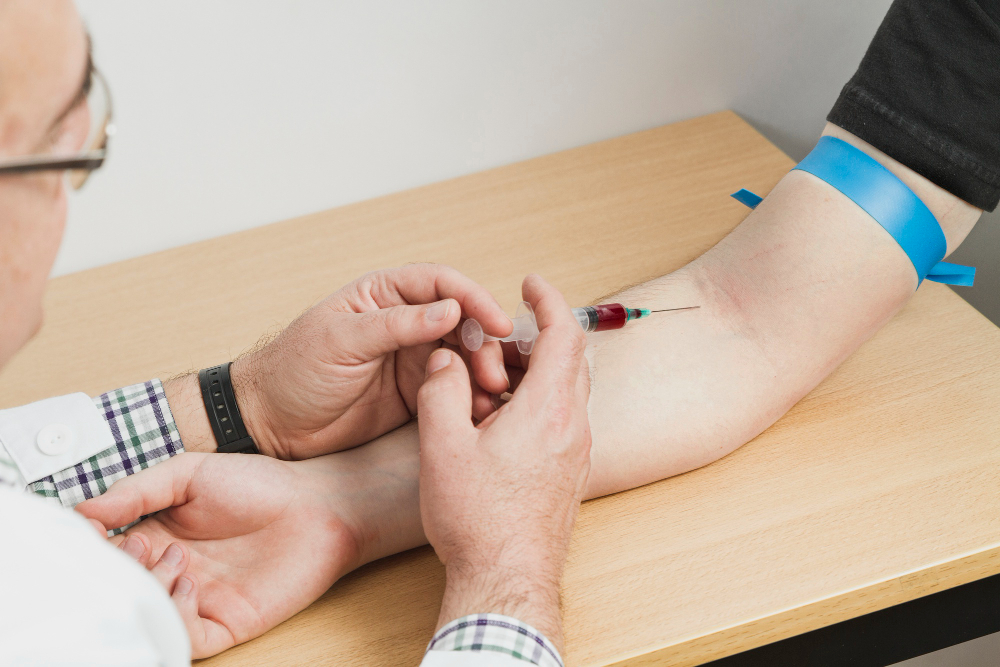
What Is Home Blood Collection?
Home blood collection is a service where a trained professional visits your home to draw blood. This process is also called mobile phlebotomy. Many people find it helpful, especially seniors and those with limited mobility. Instead of traveling to a clinic, you can have blood sample collection at home. This makes at-home blood testing for seniors much easier and more comfortable.
Benefits for Seniors and Patients With Limited Mobility
For many seniors, leaving home for medical tests can be hard. Because of this, home blood collection offers several benefits:
As a result, many families choose mobile phlebotomy services for their loved ones.
How Home Blood Collection Works
First, you or your doctor schedules an appointment with a home blood collection service. Next, a licensed phlebotomist arrives at your home. They bring all the needed supplies. Before starting, they check your identity and explain the process. Then, they draw your blood, usually from your arm. Afterward, they label the samples and send them to a lab for testing. You get your results from your doctor, just like with in-clinic tests.
Common Tests Performed at Home
Many types of blood tests can be done at home. For example, common at-home blood testing for seniors includes:
Because these tests are sent to certified labs, results are as reliable as those from a clinic. According to the CDC, regular blood testing helps manage many chronic conditions.
Safety and Hygiene Considerations
Safety is very important during home blood collection. All mobile phlebotomy services must follow strict hygiene rules. For instance, phlebotomists use new gloves and sterile needles for each person. They also clean the skin before drawing blood. After the procedure, they safely dispose of all used materials. The World Health Organization recommends these steps to prevent infection and keep everyone safe.
Choosing a Home Blood Collection Service
When picking a service, you should check a few things. First, make sure the company hires licensed and trained phlebotomists. Next, ask if they follow CDC safety guidelines. You can also read reviews or ask your doctor for suggestions. In some areas, local hospitals or clinics offer mobile phlebotomy services. Because each city may have different providers, it helps to search for “home blood collection near me.”
Insurance and Cost Considerations
Many insurance plans cover home blood collection, especially for seniors or those with mobility issues. However, coverage can vary. Before booking, you should call your insurance company to check your benefits. Some services may charge a small travel fee. In some cases, Medicare or Medicaid may help pay for at-home blood testing for seniors. Because costs depend on your location and plan, it is best to ask for a price list in advance.