
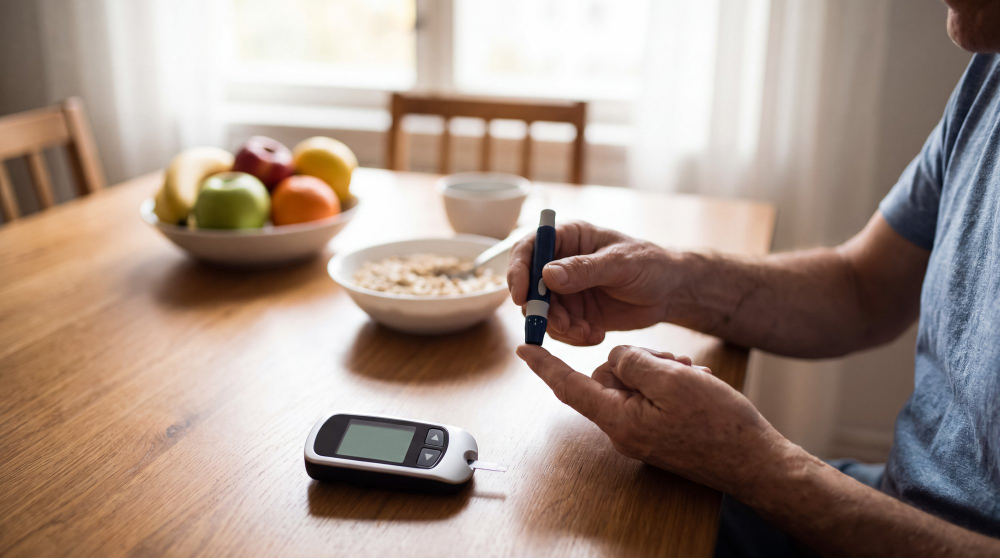
Many people hear about fasting and post-meal blood sugar tests during health checkups. Both tests help check blood sugar levels, but they are done at different times. Fasting blood sugar tests measure your blood sugar after you have not eaten for at least eight hours. In contrast, post-meal (or postprandial) blood sugar tests check your blood sugar about two hours after eating. Understanding fasting and post-meal blood sugar tests can help you and your doctor spot early signs of diabetes or manage your health better.
What Is a Fasting Blood Sugar Test?
First, a fasting blood sugar test checks how much sugar is in your blood after you have not eaten for at least eight hours. Usually, people take this test in the morning before breakfast. Because you have not eaten, the result shows your body’s baseline blood sugar level. According to the CDC, this test helps find out if your body manages sugar well when you are not eating. For example, doctors often use this test to screen for diabetes or prediabetes.
What Is a Post-Meal Blood Sugar Test?
On the other hand, a post-meal blood sugar test, also called a postprandial test, measures your blood sugar about two hours after you eat. This test shows how your body handles sugar from food. After you eat, your blood sugar rises. Then, your body releases insulin to bring it back down. The post-meal test helps doctors see if your body can lower blood sugar after meals. For many people, this test is helpful for tracking diabetes control.
Key Differences Between Fasting and Post-Meal Blood Sugar Tests
While both tests measure blood sugar, they are not the same. Here are the main differences between fasting and postprandial blood sugar tests:
Because both tests give unique information, your doctor may order one or both, depending on your needs.
Why Are These Tests Important?
Both fasting and post-meal blood sugar tests are important for several reasons. For instance, they help spot diabetes early. They also help track how well your treatment is working. According to the World Health Organization, keeping blood sugar in a healthy range lowers your risk for heart disease, nerve damage, and other problems. In addition, these tests can help you and your doctor adjust your diet, exercise, or medicine if needed.
How to Prepare for Each Test
Proper preparation is key for accurate results. Here are some tips on how to prepare for blood sugar tests:
Because preparation can affect your results, always ask your healthcare provider if you are unsure.
Understanding Your Blood Sugar Results
Interpreting blood sugar results can seem confusing at first. However, knowing the normal ranges helps. For fasting blood sugar, the CDC notes:
For post-meal blood sugar, a normal result is usually less than 140 mg/dL two hours after eating. However, your doctor may set different targets based on your health. Because results can vary, always discuss them with your healthcare provider. They can help you understand what your numbers mean for you.
Tips for Accurate Blood Sugar Testing
Getting the most accurate results is important. Here are some tips for accurate blood sugar testing:
Because small mistakes can change your results, always double-check your steps. If you have questions about your blood sugar or testing, ask your healthcare provider for help.
Conclusion
Regular blood sugar checks can help you stay on top of your health. Book a health check at Falcon Labs today to understand your fasting and post-meal blood sugar levels.